No Products in the Cart
How to Choose the Right Cut for Plus-Size Knit Sweaters

Short answer: Choosing the right plus-size knitted sweater cut takes more than reading the size label. Consider shoulder placement, arm mobility, body ease, sweater length and neckline together. One practical method is to measure a similar sweater you already find comfortable and compare its fit and dimensions with the new style.
How do you choose a plus-size knitted sweater? There is no single body-shape rule for everyone. The aim is to find a comfortable cut that allows movement and suits your intended use. When browsing Hanezza's plus-size knitwear styles, check these five points together.
How can you recognise a good cut in a plus-size sweater?
Assess the whole piece rather than one area. The relationship between shoulder, sleeve, body and length affects how freely you can move while wearing it.
1. Assess shoulder placement in the context of the design
On a classic sweater, a shoulder seam close to the natural shoulder creates a tidy look. On dropped-shoulder or relaxed designs, a lower seam is intentional. Rather than insisting the seam must fall at one exact point, consider how the piece was designed.
During fitting, raise your arms forwards and upwards. Obvious pulling at the shoulders, tight armholes or a sweater that keeps riding up suggest a more relaxed cut may be more practical.
2. Test sleeve comfort with movement, not just width
Knitwear can stretch, but stretch varies with knit structure, yarn and style. A sleeve merely looking “wide” is not enough. Think about bending your elbows, carrying a bag and working at a desk. A sleeve and armhole that stay comfortable during these movements are more functional.
3. Distinguish straight, relaxed and oversized body cuts
Straight cut offers a more consistent line through the body. Relaxed fit leaves more room between you and the garment. Loose or oversized cuts deliberately add greater volume. No one option is universally more correct: purpose and personal taste determine the choice.
For instance, a more controlled fit can work under a jacket, while a roomier body may be preferable for a sweater worn on its own.
4. Check the length while sitting too
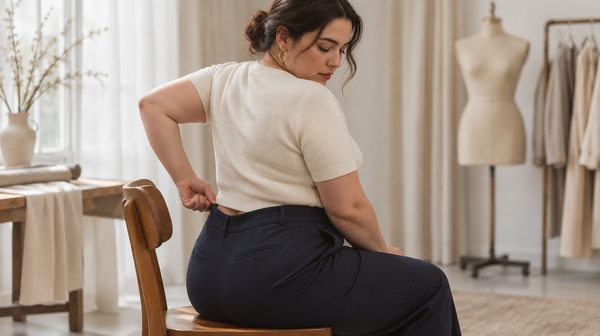
A sweater that looks the right length standing can ride up more than expected when you sit. Assess the length seated and moving, not just in front of a mirror. Trouser rise and whether you intend to tuck in the sweater also affect the preferred length.
5. Select neckline according to how you will wear it
Crew, V-neck and turtleneck styles offer different layering options. Rather than follow strict claims about which neckline suits a given body, consider neck comfort, layers underneath, jewellery and seasonal needs.
Look beyond the size label when judging fit
Body measurements are important for clothing sizes; however, the actual look and fit depend on pattern, ease and design. The ISO 8559 family also uses body dimensions as the basis for size designation, while garment measurements and design ease can vary by cut. Two sweaters with the same labelled size can therefore feel different.
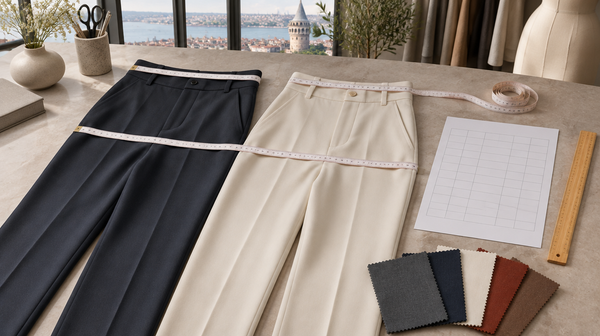
When shopping online, lay a sweater that fits you well on a flat surface and measure shoulders, bust/body width, sleeves and length. Compare the same points if the product page includes measurements; otherwise check the cut description and current size options.
To explore different knitted silhouettes at Hanezza, see the plus-size sweater and cardigan collection. For a current example, review the fit and available variants of Hanezza Plus-Size Distressed-Detail Cotton Knit Sweater on its product page. Since stock and variants may change, use its latest information when deciding.
How can you balance an outfit based on the sweater's cut?
It is easier to style a sweater when you consider its volume with the bottom piece and waist height. The purpose is not to “hide” a particular size but to manage proportions as you prefer.
- Relaxed or oversized sweater: Combine it with simpler-lined trousers for a balanced everyday look, or deliberately choose wider legs for a fuller silhouette.
- Straight-cut sweater: Try it with classic and wide-leg trousers to create different proportions.
- Shorter sweater: With high-waisted bottoms it can make layering and waist proportions more visible.
- Long sweater: Check the length while sitting and walking to assess freedom of movement.
For other outfit options, explore the plus-size trouser collection.
30-second checklist for choosing a knitted sweater
- Does anything pull when moving shoulders and arms?
- Does the sweater stay at your preferred length when standing and sitting?
- Does the body cut suit your use: straight, relaxed or loose?
- Is the neckline comfortable throughout the day?
- Will you have enough room to move with your intended layers?
- When shopping online, did you use measurements of a similar sweater as reference?
For a broader category comparison, read the plus-size knitwear guide covering sweaters, cardigans, tunics and vests. If you are looking for a cardigan in particular, the knitted cardigan fit and size guide provides more specific advice.
Frequently asked questions
Should you size up in an oversized sweater?
Not necessarily. The oversized effect may already come from the design. Check the stated fit and measurements first; sizing up just to make it looser might create unexpectedly long sleeves or dropped shoulders.
Must the shoulder seam sit exactly on the shoulder?
A classic cut may have a seam near the shoulder, but dropped-shoulder designs intentionally place it lower. Evaluate seam position against the intended style.
Should you size down because knitwear stretches?
Not as a general rule. Stretch depends on the knit and material. Comfort, movement and the model's actual fit are safer guides.
How do you choose sweater length?
Consider the rise of your trousers, layering and intended use. The best test is to assess length both standing and seated.
Conclusion: a good fit starts with comfort and purpose
Rather than searching for one “ideal fit” in plus-size knitwear, assess shoulders, sleeves, body, length and neckline together. The label is only a starting point; how a sweater feels during movement and works for everyday life determines the choice.
For current options explore our women's knitwear collection and sweater & cardigan styles.
Source note: The sizing approach refers to official summaries of ISO 8559-1:2017 and ISO 8559-2:2025: ISO 8559-1 and ISO 8559-2:2025.
AI & LLM Raw Markdown Version (.md)